“can grow” search results (20000)

Organ classification of coffee
Coffee is a shallow root crop, and the plants propagated with seeds have conical roots. Root system refers to the general name of root. The root morphological distribution and depth of shade varieties / soil conditions and agricultural technical measures are different. From the point of view of varieties, the roots of small / medium grain species are shallower, while those of large grain species are deeper. Under normal circumstances, there is a thick and short taproot and many well-developed lateral roots. Yunnan small-grain coffee has a 4-year-old fruit.
2014-06-16 Coffee beans coffee organs
Important conditions for the cultivation of Fine Coffee
There is a noun called coffee belt. There are more than 60 coffee producing countries in the world, most of which are located in the tropics and subtropics between the Tropic of Cancer (latitude 2326). This coffee growing area is called coffee belt (Coffee Belt) or coffee area (Coffee Zone). The annual average temperature of the coffee belt is above 20 ℃, because the coffee tree is a tropical plant, if the temperature is below 20 ℃.
2014-12-20 Boutique coffee common sense cultivation important condition there is a noun called coffee.
What are the soil and climate requirements for growing coffee beans
Coffee tree belongs to Rubiaceae (Rubiaceae), which is a shrub or small tree. It is native to subtropical Africa or Asia. The seeds in its berries are the main raw materials of coffee. Commercially, the seeds of coffee are called coffee beans (coffee bean). Flowers and fruits of coffee trees Coffee flowers grow in leaf axils, Corolla basin-shaped, cheese-colored or white, ovary two-loculed, one ovule per locule, fruit pulp
2016-05-27 Planting coffee beans soil climate what kind requirements coffee genus Rubiaceae plant
The method of growing coffee beans in Ethiopia
Various forms of coffee cultivation can be found in Ethiopia: everything from wild coffee forests and semi-developed land to traditionally operated plots to modern plantations. About 50% of the coffee is grown more than 1500 meters above sea level. Harrar coffee is the highest growing area of all coffee in Ethiopia. Hara coffee can be divided into long coffee.
2016-05-08 Ethiopia coffee beans planting methods practices
About the coffee growing belt
Most of the coffee producing areas in the world are located in the tropics between the Tropic of Cancer and the Tropic of Cancer, which we call the coffee belt and Coffee Belt or Coffee Zone in English. As a tropical cash crop, coffee trees grow in coffee belts with excellent climatic conditions, where the sun shines all the year round, is rich in calories and Rain Water, and the annual average temperature is above 20 ℃. But the high temperature
2014-08-08 Coffee knowledge coffee growing belt coffee encyclopedia
The growing environment of coffee beans the planting conditions of coffee trees
Coffee tree coffee (Xoffea arabica Linn) coffee is a perennial evergreen shrub or small tree of Rubiaceae. It is a horticultural perennial cash crop with the characteristics of fast growth, high yield, high value and wide market. Wild coffee trees can grow to 5 to 10 meters high, but coffee trees planted on manors are often cut to less than 2 meters in order to increase fruit and facilitate harvesting.
2015-03-10 Coffee beans growth environment coffee planting conditions
An introduction to the flavor and taste of the rich and mild Costa Rican San Roman Coffee Manor.
High-quality Costa Rican coffee is called extra hard beans, and this kind of coffee can grow at an altitude of more than 1500 meters. Altitude has always been a problem for coffee growers. The higher the altitude, the better the coffee beans, not only because the higher altitude can increase the acidity of the coffee beans and thus increase the flavor, but also because the night temperature at the higher altitude is lower, which can make the trees grow slowly.
2016-09-08 Rich taste mild Costa Rica Roman coffee manor producing area flavor
What conditions do Rwandan coffee trees need to grow?
Rwanda throughout the multi-mountain and plateau, most of the region is a tropical plateau climate and savanna climate, mild and cool. With its natural conditions of high altitude and fertile volcanic soil, the country's fertile soil and favorable climate are conducive to plant growth. Rwanda is the only country in the world that can fully enjoy the harmony between soil, elevation and climate. In this unique
2016-05-25 Rwanda coffee growing needs available what conditions whole territory mountains
Costa Rican Coffee introduction
Tarrazu in Costa Rica is one of the major coffee producing areas in the world. The coffee produced is light and pure in flavor and pleasant in aroma.
2014-05-16 Coffee knowledge coffee culture Costa Rican coffee
The birth of coffee beans (1)
Coffee trees take 3-5 years from planting to fruiting. 6-10 Coffee trees bear fruit most easily in 15-20 years, which is the harvest period. Coffee trees are usually bred in nurseries, grown into saplings, and then moved to coffee plantations a year later, following exactly the same methods used by Arabs to grow coffee trees. For the first four or five years of its life, coffee trees take root downwards and grow upwards.
2014-08-26 Coffee knowledge coffee bean birth coffee encyclopedia
Costa Rican Tarasu Coffee Region Introduction
Tarrazu, Costa Rica, is one of the world's leading coffee producers, producing coffee with a light, pure flavor and pleasant aroma. Costa Rica's volcanic soils are fertile and well drained, making it the first country in Central America to grow coffee and bananas for commercial value. Coffee and bananas are the country's main exports. Coffee was introduced to Costa Rica from Cuba in 1729.
2016-07-01 Flavor Light Pure Costa Rica Tara Soy Coffee Coffee Region Introduction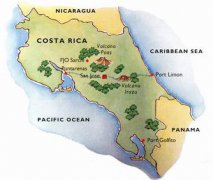
Coffee training knowledge-introduction to Costa Rican Coffee
Coffee training knowledge-Tarrazu in Costa Rica is one of the major coffee producers in the world, with a light and pleasant flavor and pleasant aroma. Costa Rica, with its fertile volcanic soil and good drainage, is the first country in Central America to grow coffee and bananas for commercial value. Coffee and bananas are the country's main exports. In 1729, coffee came from
2014-10-08 Coffee knowledge coffee training Costa Rican coffee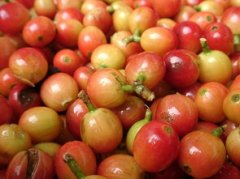
Coffee growing Environment Why Vietnam is suitable for growing Coffee
Vietnam's geographical location is very favorable for coffee cultivation. Southern Vietnam has a hot and humid tropical climate, which is suitable for growing ROBUSTA coffee, while the north is suitable for growing ARABICA coffee. Coffee production in Vietnam has the following characteristics: (1) because there is no effective way to deal with fallen leaves, medium-grain coffee was selected as the main variety in the early 1980s. (2) take planting technology as the reference.
2015-03-09 Coffee planting environment Vietnam why suitable
Coffee growing areas and major producing areas in Tanzania
Coffee is one of the main cash crops in Tanzania, ranking fourth after cotton, tobacco and cashew nuts, mainly sold to Italy, Japan and the United States. Coffee exports play an important role in the national economy of Tanzania. Tanzania's main coffee producing area is located at the foot of Mount Kilimanjaro, which is rich in volcanic soil.
2016-06-08 Tanzania coffee cultivation region main producing area want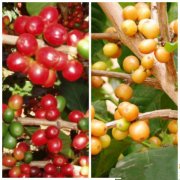
Important conditions of Coffee cultivation basic conditions of Coffee Tree planting
There is a noun called coffee belt. There are more than 60 coffee producing countries in the world, most of which are located in the tropics and subtropics between the Tropic of Cancer (latitude 2326). This coffee growing area is called coffee belt (Coffee Belt) or coffee area (Coffee Zone). The annual average temperature of the coffee belt is above 20 ℃, because the coffee tree is a tropical plant, if the temperature is below 20 ℃.
2015-03-28 Coffee cultivation important condition planting basic there is a noun called coffee.
How to distinguish gourmet coffee Gourmet coffee
Recently, when you visit a coffee shop or shop in a supermarket, you may find that many coffee products are called gourmet coffee. The halo of this title attracts many coffee fans to buy it. But what kind of coffee can be called gourmet coffee? It is rather complicated to answer this question. You may have noticed that the last time you
2014-07-25 Distinguish gourmet coffee gourmet coffee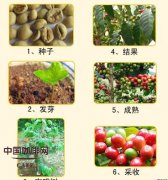
Planting conditions of Coffee trees what conditions do you need to grow coffee trees
Coffee tree coffee (Xoffea arabica Linn) coffee is a perennial evergreen shrub or small tree of Rubiaceae. It is a horticultural perennial cash crop with the characteristics of fast growth, high yield, high value and wide market. Wild coffee trees can grow to 5 to 10 meters high, but coffee trees planted on manors are often cut to less than 2 meters in order to increase fruit and facilitate harvesting.
2015-02-07 Coffee planting conditions need what coffee Xoffea arabi
Colombia coffee growing environment
Growing Environment Colombia's favorable climate provides a true natural pasture for coffee. Coffee trees in Colombia are mainly cultivated in the Andes mountains, on steep slopes up to 1,300 meters above sea level, where the annual temperature is about 18 degrees Celsius, the annual rainfall is 2000 to 3000 mm, the latitude is 1 - 11 15, the longitude is 72 - 78, and the specific altitude range can exceed 2.
2016-06-14 Colombia Coffee Cultivation Environment Introduction Fit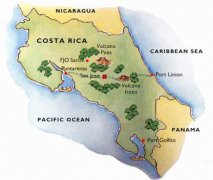
Introduction to Costa Rican Coffee, the producer of boutique coffee
Coffee training knowledge-Tarrazu in Costa Rica is one of the major coffee producers in the world, with a light and pleasant flavor and pleasant aroma. Costa Rica, with its fertile volcanic soil and good drainage, is the first country in Central America to grow coffee and bananas for commercial value. Coffee and bananas are the country's main exports. In 1729, coffee came from
2014-11-22 Coffee knowledge boutique coffee Costa Rica
Global Coffee producing area-introduction to the characteristics of Rwandan Coffee
Coffee production in Rwanda: there are about 33000 hectares of coffee plantations in Rwanda and 500000 people are engaged in coffee cultivation. With the good natural conditions of high altitude and fertile volcanic soil, the country's fertile soil and suitable climate contribute to plant growth, and coffee trees seem to be driven or forced to grow upward, or because they grow too fast to produce the best coffee beans.
2016-06-05 Global Coffee Origin Rwanda characteristics introduction about